Tottenham High Road garden maintenance services explained
If you live, work, or manage property near Tottenham High Road, garden upkeep can feel a bit like one more job that never quite stays finished. A hedge grows faster than expected, the lawn gets patchy after a wet week, weeds appear from nowhere, and suddenly the outdoor space looks tired. That is where Tottenham High Road garden maintenance services explained properly becomes useful: not as a vague "garden tidy", but as a practical, recurring service that keeps outdoor areas safe, neat, and genuinely usable.
This guide breaks down what garden maintenance usually includes, how the service works, who it suits, what to look for, and how to avoid the small mistakes that turn into bigger headaches later. It is written for real-world situations too: front gardens, shared spaces, rental properties, small business entrances, and the sort of compact urban plots you see all over north London. Let's make it simple.
For readers who want to explore the broader service range first, it may help to look at the services overview and the company's about us page before making a decision.
Table of Contents
- Why Tottenham High Road garden maintenance services explained Matters
- How Tottenham High Road garden maintenance services explained Works
- Key Benefits and Practical Advantages
- Who This Is For and When It Makes Sense
- Step-by-Step Guidance
- Expert Tips for Better Results
- Common Mistakes to Avoid
- Tools, Resources and Recommendations
- Law, Compliance, Standards, or Best Practice
- Options, Methods, or Comparison Table
- Case Study or Real-World Example
- Practical Checklist
- Conclusion
- Frequently Asked Questions
Why Tottenham High Road garden maintenance services explained Matters
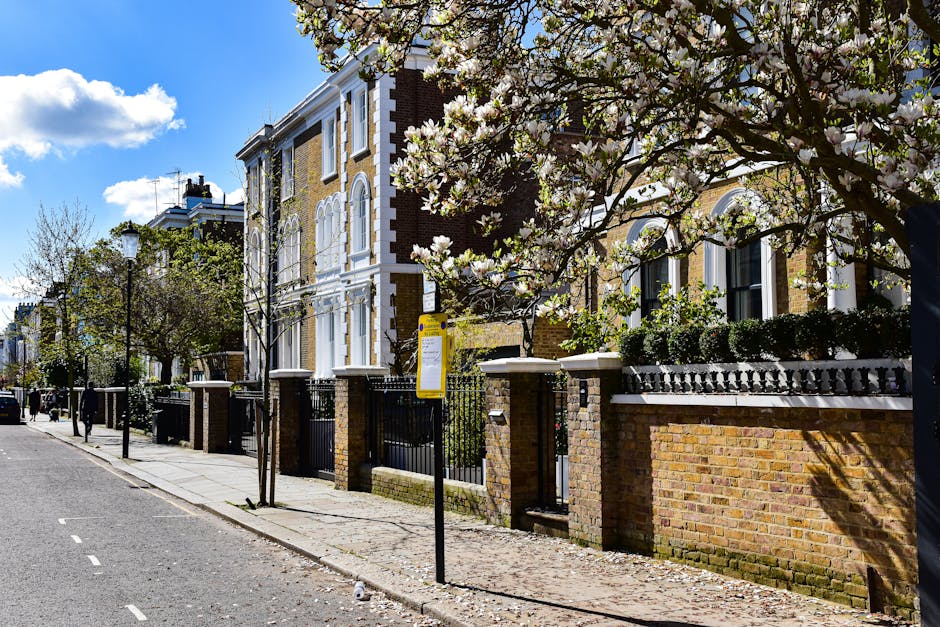
Tottenham High Road is busy, built-up, and varied. You get terraces, flats with shared outside areas, small commercial frontages, and homes where the garden doubles as storage, play space, and somewhere to catch a bit of afternoon sun when London decides to behave. In that setting, garden maintenance is not just about making things look nice. It helps keep spaces safe, manageable, and easier to use day to day.
There is also a practical truth that often gets overlooked: neglected outdoor spaces can make a property feel smaller, darker, and less cared for. A simple cut-back, weed clear, or border tidy can change the feel of a place almost immediately. You notice it when you open the back door and the air feels clearer, the path looks safer, and the whole space stops nagging at you. Not glamorous, maybe, but very real.
For landlords, homeowners, and business owners alike, maintenance matters because it reduces the chance of bigger problems. Overgrown shrubs can block light. Damp leaves can make paving slippery. Weeds can take over paths and edges. And if a garden is being used by tenants, customers, or visitors, it needs to look cared for without becoming another stress point.
Expert summary: garden maintenance is at its best when it prevents problems rather than simply reacts to them. The best services are steady, practical, and suited to the pace of the property.
If you are comparing providers, also check practical details like insurance and safety information and the company's published health and safety policy. Those pages tell you a lot about how seriously the work is handled.
How Tottenham High Road garden maintenance services explained Works
Most garden maintenance services follow a straightforward pattern, though the exact work depends on the property, the season, and the condition of the garden. A first visit usually involves a walk-through, a look at the main problem areas, and a discussion about priorities. From there, the work may be arranged as a one-off tidy-up or as a regular schedule.
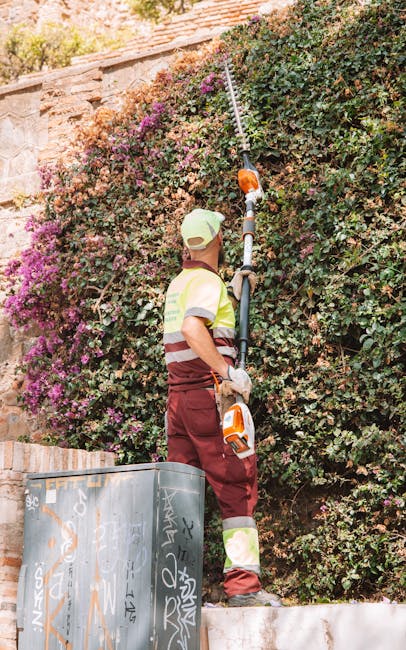
Typical maintenance tasks include lawn mowing, edging, hedge trimming, weeding, pruning, leaf clearance, border care, litter picking, and basic green waste removal. In some cases, the job also includes pressure-free path clearing, deadheading flowers, and keeping access routes clear. For a lot of people, that is the heart of the service: making sure the outdoor area stays under control without turning into a weekend battle.
Here is the basic flow many customers go through:
- Initial assessment: the garden is reviewed, and the main issues are identified.
- Scope of work: you agree what needs doing now, and what can wait.
- Scheduling: a one-off or repeat visit plan is set.
- Completion: the work is carried out with the agreed tasks.
- Aftercare: advice may be given on watering, timing, or follow-up visits.
That sounds basic, and to be fair, it should be. Good maintenance is often the art of doing the simple things consistently. No drama. No mystery.
For people who care about how payments are handled, it is sensible to review payment and security and the company's terms and conditions before booking.
Key Benefits and Practical Advantages
The obvious benefit is a tidier garden, but that is only the start. Regular maintenance can improve how the whole property feels and functions. It can also stop minor issues from snowballing into jobs that take far longer and cost much more to sort out.
- Better appearance: the garden looks cared for, which helps with pride, presentation, and first impressions.
- Safer access: cleared paths and trimmed growth reduce trip hazards and improve visibility.
- Healthier plants: pruning and seasonal care support better growth than random cutting back.
- Less stress: a recurring service means you are not constantly chasing an overgrown patch of grass at the end of a long week.
- Property value support: a maintained exterior helps a property present well to visitors, tenants, buyers, or clients.
- Seasonal control: autumn leaves, spring growth, and summer watering all need different attention.
There is another, quieter benefit too. A well-kept garden encourages you to use it. You sit outside for ten minutes with a cup of tea. You can hear the road in the distance, but the space still feels like yours. That matters more than people admit.
Who This Is For and When It Makes Sense
Garden maintenance on Tottenham High Road suits more people than you might think. It is not only for large houses with polished lawns. In fact, smaller and more awkward spaces often benefit the most, because they are the easiest to neglect and the hardest to catch up later.
This service usually makes sense if you are any of the following:
- A homeowner who wants a tidy garden without spending every spare Saturday on it.
- A landlord or letting agent responsible for exterior presentation between tenancies or during long lets.
- A resident in a flat or maisonette with a shared outdoor area that needs regular attention.
- A business owner with planting, frontage, or access areas that should look smart.
- An older resident who wants help with the physically awkward or heavier tasks.
- A busy household where the garden is useful, but nobody has the time to maintain it properly.
It also makes sense if your garden has become a little out of step with the rest of the property. Maybe the front path is buried in weeds. Maybe the hedge has gone wild after a few warm weeks. Maybe you keep meaning to clear the back corner, and then life gets in the way. Happens all the time.
If you are not sure whether a maintenance visit is enough or whether you need a larger one-off tidy, a provider's pricing and quotes guidance can help you compare options in a practical way.
Step-by-Step Guidance
If you want to approach garden maintenance properly, it helps to think in steps rather than just "sort the garden out". A clear process usually leads to better results and fewer surprises.
1. Walk the space slowly
Start by looking at the whole garden, not just the most obvious mess. Check boundaries, paths, borders, lawn edges, seating areas, sheds, and any places where water collects after rain. The hidden stuff is often where the real problems begin.
2. Separate urgent work from cosmetic work
Urgent work usually includes safety issues, access problems, and anything that could damage the garden if left alone. Cosmetic work includes shaping, tidying, and making the space look balanced. Both matter, but they should not always be treated equally.
3. Decide whether you need one-off or regular maintenance
One-off work is useful for reset jobs, move-ins, move-outs, or spring and autumn clear-ups. Regular maintenance is better if the garden grows quickly or the property needs a consistently tidy appearance. In many London gardens, a repeat schedule is the calmer option, frankly.
4. Agree the scope before work starts
The biggest frustration for customers usually comes from misunderstanding what was included. Be specific. Is hedge trimming included? Are waste bags taken away? Are borders weeded by hand? Clear scope avoids odd little tensions later.
5. Ask how waste will be handled
Green waste can become surprisingly bulky, especially after hedge cutting or leaf clearance. Ask whether it is removed, stacked for composting, or left for your collection. A tidy finish should feel tidy all the way through.
6. Review the result and set the next date
After the visit, take two minutes to look over the work. Not with a magnifying glass, just a sensible check. If everything looks right, set the next appointment while the state of the garden is still fresh in your mind. Future you will be grateful.
Expert Tips for Better Results
Good maintenance is not only about what gets done. It is also about timing, consistency, and knowing when not to overdo it.
- Trim little and often: small, regular cuts are usually better than harsh, irregular ones.
- Leave the soil structure alone when it is wet: heavy foot traffic on soggy ground can compact the soil and make beds worse.
- Keep an eye on edges: neat lawn edges and clear borders often make the biggest visual difference for the least effort.
- Match the schedule to the season: spring growth and autumn leaf fall change everything. A fixed rhythm helps.
- Don't ignore access points: side paths, gate areas, and front steps matter more than people expect.
- Use maintenance as prevention: if a shrub is getting too close to a wall or window, deal with it before it becomes a bigger job.
A small but useful tip: if you are unsure about the right approach for a plant, do not just shear it into shape because it is convenient. A two-minute pause can save a season of regret. Garden work is a bit like cooking in that sense; the rush is where odd mistakes happen.
Where environmental responsibility matters, you may also want to look at the provider's recycling and sustainability page to understand how green waste and material reuse are handled.
Common Mistakes to Avoid
Garden maintenance sounds straightforward, but a few common mistakes can undermine the result fast. Most of them are avoidable with a bit of thought.
- Booking only when the garden is already overwhelming: by then, the job may be larger, slower, and more expensive than expected.
- Being vague about the brief: "just tidy it up" can mean very different things to different people.
- Choosing on price alone: the cheapest option is not always the best value if the result is rushed or incomplete.
- Ignoring waste removal: green waste left behind can make a clean job feel unfinished.
- Over-pruning: hard cutting without thought can weaken plants and make beds look bare.
- Forgetting seasonal needs: a garden that is fine in May may need a completely different plan in October.
One slightly underrated mistake is assuming all maintenance is visually equal. It is not. Two gardens can be equally tidy on the surface, yet one is being managed in a way that supports growth and the other is just being hacked back. You can usually tell after a few months which approach was taken. The plants tell on us eventually.
Tools, Resources and Recommendations
While this article is about services rather than DIY gardening, it helps to know what tools and methods are commonly used. That makes it easier to judge whether a provider sounds practical and prepared, rather than just enthusiastic.
| Task | Typical tools or methods | Why it matters |
|---|---|---|
| Lawn care | Mower, edging tools, hand rake | Keeps the lawn even and prevents messy borders |
| Weeding | Hand tools, hoe, targeted removal | Reduces regrowth and protects nearby plants |
| Hedge trimming | Hedge trimmer, shears, ladders where safe and appropriate | Shapes growth and keeps access clear |
| Leaf clearance | Rake, blower where suitable, collection bags | Prevents slippery surfaces and blocked drains |
| Border care | Spade, fork, pruners, mulch where needed | Improves structure and plant health |
Good providers usually bring the right equipment for the job and adapt to the site rather than forcing a one-size-fits-all method. That is a small thing, but it says a lot. A proper garden service should feel calm and organised, not like a scramble.
If you want to understand how the wider company handles client concerns and service expectations, the complaints procedure is worth reading as well. It is one of those unglamorous pages that tells you whether the business has thought things through.
Law, Compliance, Standards, or Best Practice
For garden maintenance, the main thing is not a long list of legal jargon. It is sensible, professional practice. In the UK, that usually means working safely, managing waste responsibly, and being clear about what has been agreed. If contractors are carrying out work on your property, you should reasonably expect them to act carefully around tools, access routes, pets, children, and shared spaces.
Best practice often includes:
- Clear written scope: so both sides understand what is included.
- Safe working methods: especially when using ladders, power tools, or handling awkward materials.
- Appropriate insurance: so the provider is properly covered for the type of work being done.
- Waste handling awareness: especially for green waste and any mixed debris.
- Respect for access and neighbours: particularly important on tight residential streets and shared properties.
It is also sensible to choose providers who are open about their policies. Pages such as accessibility information and privacy policy are not just formalities; they show that the business takes transparency seriously. That kind of openness builds confidence before the first visit even happens.
To be fair, not every garden job needs a big compliance checklist. But if someone is working around your home or premises, a little professionalism goes a long way. No one wants avoidable mess, awkwardness, or a surprise later.
Options, Methods, or Comparison Table
Choosing the right maintenance approach depends on the condition of the garden and how you use the space. A quick comparison helps.
| Option | Best for | Pros | Watch-outs |
|---|---|---|---|
| One-off tidy-up | Overgrown gardens, move-ins, seasonal resets | Fast improvement, good for starting fresh | May not prevent the garden from slipping again |
| Regular maintenance | Busy homes, rentals, business frontages | Consistent appearance, easier to manage over time | Needs scheduling discipline |
| Seasonal visits | Smaller gardens with predictable growth patterns | Cost-effective for lighter needs | Less support between visits |
| Mixed approach | Gardens with some beds, lawn, and hedge work | Flexible and tailored | Requires clear communication |
If you are unsure which option fits, the smartest move is often to start with a clearer quote conversation rather than guessing. A good estimate should reflect the actual state of the garden, not just the postcode and a rough shrug.
Case Study or Real-World Example
Here is a realistic example based on the kind of work often needed near Tottenham High Road.
A small terraced property has a front garden with a short hedge, a narrow lawn, and a path that has become lined with weeds. The back garden is mostly paved, but there are leaf build-ups near the fence and a couple of planters that have become neglected. The owner has been meaning to deal with it for months, but every weekend disappears into shopping, family plans, or simply recovering from the week.
On the first maintenance visit, the priority is not to make everything perfect at once. It is to reset the space. The hedge is trimmed, the path edges are cleared, the lawn is cut and edged, and the dead material is removed. The planters are tidied and the most obvious weeds are dealt with. Suddenly the whole place feels more open. The front of the house looks sharper from the pavement, and the back area is usable again.
A few weeks later, the owner switches to a lighter regular schedule. That is usually the turning point. Once the garden is back under control, maintenance becomes easier, cheaper, and far less stressful. A classic case of sorting the small stuff before it turns into the big stuff. Seen it many times.
Practical Checklist
Use this checklist before booking or during a first visit conversation:
- Is the work a one-off tidy, ongoing maintenance, or both?
- Do you know exactly which areas need attention?
- Have you noted any safety issues, trip hazards, or access problems?
- Are hedge trimming, lawn care, weeding, and waste removal all discussed clearly?
- Do you understand how often the garden will need follow-up visits?
- Have you checked the provider's insurance and safety details?
- Do you know how payment is handled and what the terms are?
- Have you asked about sustainability or waste handling if that matters to you?
- Is the quote specific enough to compare fairly with other options?
- Do you feel confident the provider understands the kind of property you have?
Quick takeaway: the best garden maintenance service is not necessarily the most elaborate one. It is the one that keeps your space healthy, safe, and manageable without making the process harder than it needs to be.
Conclusion
Tottenham High Road garden maintenance services explained in plain English comes down to this: regular, sensible care that keeps outdoor spaces tidy, safe, and usable in real life. Whether you are dealing with a small front garden, a shared courtyard, a rental property, or a business frontage, the value is in consistency and clarity. Good maintenance prevents stress, improves presentation, and helps a garden feel like part of the property again rather than a problem hanging around outside.
There is no need to overcomplicate it. Start with the condition of the space, decide what needs doing now, and choose a provider that is clear about scope, safety, and follow-up. If you do that, you are already ahead of most people. And honestly, a garden that is looked after well has a way of paying you back every time you step outside and think, yes, that feels better.
Get a free quote today and see how much you can save.
If you are ready to take the next step, you can also review the company's contact page to arrange a conversation that suits your schedule.
Frequently Asked Questions
What does Tottenham High Road garden maintenance usually include?
It usually includes mowing, hedge trimming, weeding, pruning, leaf clearance, edging, and general tidying. The exact mix depends on the garden and the agreement. Some jobs also include waste removal and seasonal resets.
Is garden maintenance the same as landscaping?
No, not really. Garden maintenance is ongoing care and upkeep. Landscaping is usually more about redesigning, installing, or changing the structure of the garden. They can overlap a bit, but they are different services.
How often should a garden near Tottenham High Road be maintained?
That depends on how quickly it grows, how much the space is used, and the time of year. Some gardens need weekly or fortnightly attention in peak season, while others do well with seasonal visits.
Can maintenance help an overgrown garden without a full redesign?
Yes. In many cases, a one-off tidy-up is enough to bring an overgrown space back under control. If the layout is still workable, maintenance can often restore the garden without major changes.
Do I need to be home during the visit?
Not always, though it depends on access and your level of comfort. Many people prefer to be present for the first visit, then arrange future appointments more flexibly once everything is agreed.
What should I ask before booking garden maintenance?
Ask what is included, how waste will be handled, whether the provider is insured, how often visits are recommended, and how pricing is structured. Clear answers at the start save awkward conversations later.
Is regular maintenance better than one-off garden tidy-ups?
For many properties, yes. Regular visits keep the garden easier to manage and reduce the chance of it getting badly overgrown again. One-off work is still useful, especially as a reset, but it is not always enough on its own.
How do I know if a quote is fair?
A fair quote should reflect the size of the garden, the amount of work needed, access issues, and whether waste removal is included. A quote that feels vague is harder to compare properly.
What happens to the garden waste?
That depends on the provider and the arrangement. Some services remove green waste, while others may leave it bagged for collection or composting. It is best to confirm this before the job begins.
Are there safety issues I should think about?
Yes. Paths, steps, loose slabs, hidden debris, and awkward access can all create risks. It is sensible to choose a provider that treats safety as part of the job, not an afterthought.
What if I only need help with part of the garden?
That is very common. Many customers only need help with the front garden, hedges, borders, or one problem area. A good service should be able to tailor the work rather than forcing a standard package.
How do I choose the right provider?
Look for clear communication, practical experience, sensible safety standards, and a quote that matches your actual needs. Trust your instincts too. If the conversation feels rushed or vague, that is worth noting.