
Gardening Haringey — Recycling and Sustainability
Gardening Haringey is committed to creating an eco-friendly waste disposal area and a thriving sustainable rubbish gardening area that supports community green spaces. Our approach to recycling and sustainability focuses on practical, neighbourhood-level action: improving on-site separation, increasing reuse, and reducing transport emissions. We set clear targets, develop partnerships with local charities and transfer stations, and invest in low-carbon vans to keep collections efficient and low impact.Maintaining a well-run recycling area within community gardens means understanding the borough's approach to waste separation. Haringey borough promotes separate streams for food waste, garden waste, glass, mixed plastics and paper — and we align Gardening Haringey operations with that system. Volunteers and site managers are encouraged to use clearly labelled bins and colour-coded signage so everyone can participate in the borough's collection scheme effectively while minimising contamination of recyclable materials.
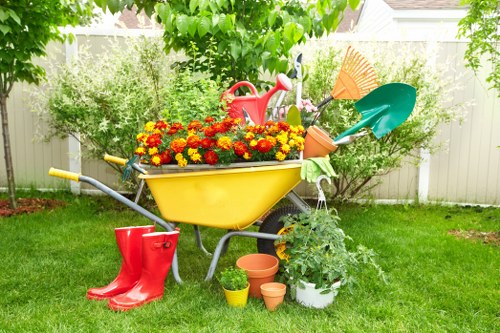
What a sustainable gardening waste area looks like
A sustainable rubbish gardening area is more than a skip: it is a managed space for composting, woodchip storage, recyclable material staging and safe disposal of non-recyclable items. We prioritise on-site composting of green waste wherever possible, and use community-led drop-off points for small amounts of household recyclables that match council collections. Separation at source is key: by keeping organic and inorganic streams distinct we reduce the need for sorting at transfer stations and cut processing emissions.To meet our recycling percentage target, Gardening Haringey is aiming for a 60% recycling rate of garden-generated waste streams across our sites within the next five years, with interim checkpoints each year. This target covers compostable green waste, clean timber, cardboard, and container recycling. Targeting a specific borough-aligned recycling percentage allows us to measure progress, allocate resources, and report transparently to partners while adapting to the practical realities of urban community gardening.
Local transfer stations and logistics
We use nearby transfer stations appointed by the borough to ensure materials move quickly from garden hubs to processing facilities. Using local transfer stations reduces mileage and turnaround times, helps control contamination through closer supervision, and supports local recycling businesses. Our logistics plan emphasises short routes and consolidated collections so materials are delivered in bulk to the right facility: composting sites for green waste, MRFs (Materials Recovery Facilities) for mixed recyclables and specialist outlets for wood recycling.Partnerships are central to our model. Gardening Haringey collaborates with charities and social enterprises that accept donated, reusable garden materials — for example, soil conditioners, well-preserved tools, and surplus plants. These partnerships increase reuse and provide low-cost resources for community groups. We also work with local training charities to help volunteers learn best practice for sorting and sustainable site management. By pooling resources we stretch funding and reduce waste destined for disposal.
To cut collection emissions we operate a small fleet of low-carbon vans for short-distance transfers and material pickups. These vehicles include electric and hybrid options where routes and charging infrastructure allow, and we prioritise driver training in eco-driving techniques to further reduce fuel consumption. Moving to low-carbon vans complements our on-site actions — less polluting transport means that even unavoidable waste movements have a smaller carbon footprint, supporting borough-wide climate goals.
 Community engagement is vital: we host regular site audits and volunteer training sessions to keep separation standards high. Signage, simple checklists and periodic spot-checks reduce contamination, and clear policies about what can be left at the recycling area protect volunteers and neighbours. We also encourage small-scale material reuse schemes such as tool libraries, seed exchanges and swap benches which keep useful items circulating without reaching a transfer station at all.
 Benefits and next steps: by combining an eco-friendly waste disposal area, borough-aligned recycling activity and focused partnerships, Gardening Haringey creates a replicable model for urban sustainable gardening. Our plan charts measurable improvements — increasing recycling rates, reducing landfill contributions, cutting transport CO2 through low-carbon vans, and enhancing community access to reused materials. We will continue to refine collection routes, expand charity partnerships and invest in signage and training to ensure the recycling area remains a safe, useful asset for the whole neighbourhood. Together, through small daily actions and strategic local partnerships, we can make sustainable gardening the standard across Haringey.